
Understanding Mortgage Rates in Denver, CO for 2026 Buyers
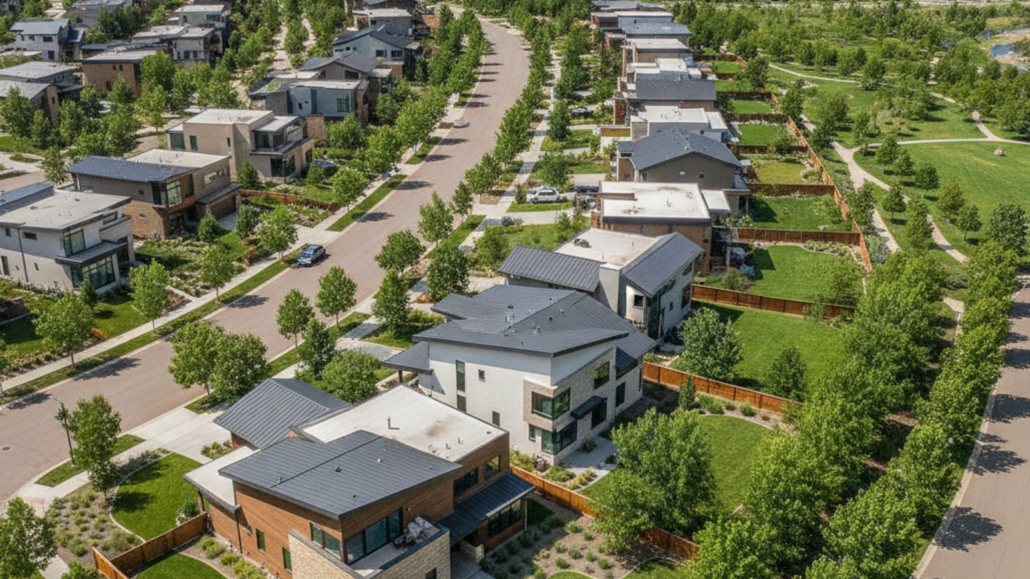
The median sale price for a home in Denver is currently hovering around $650,000. With available inventory sitting at roughly 3,170 homes across the metro, well-priced listings are moving fast – averaging just 21 days on the market before going under contract. This fast pace means first-time home buyers in Denver, CO need to be fully prepared before making an offer.
Securing the right financing is a major part of making a purchase work in this environment. Tracking mortgage rates in Denver, CO helps you understand your monthly payment potential before you’re ever in a bidding situation. Lenders offer a variety of loan types, and there are local assistance programs that can help cover the down payment and mortgage closing costs – more on those below.
How Local Interest Rates Compare to the Rest of the Country
Major financial trackers don’t isolate Denver-specific interest averages, so lenders use the Colorado statewide average as the baseline. As of mid-July 2026, Bankrate reports the state’s average 30-year fixed mortgage rate at 6.77%. Other trackers show slight variations based on their survey methods – Zillow reports 6.5% and NerdWallet shows a 6.4% APR.
If you’re drawn to a faster payoff timeline, a 15-year fixed is worth running the numbers on. The current Colorado average for a 15-year loan sits at approximately 6.17%, according to Bankrate. NerdWallet and Zillow place that figure a bit lower, around 5.82% and 5.875%, respectively.
Your specific rate will depend on your credit score, down payment size, and the lender you choose. Getting loan estimates from multiple institutions is the single most straightforward thing you can do to bring that number down.
Home Loan Options and Limits for Denver Buyers
The 2026 conforming loan limit for a single-family home in the Denver metro area is $862,500. That’s higher than the Colorado statewide baseline of $832,750, which reflects the elevated property values across Denver County. If you’re buying under that threshold, you can use conventional financing backed by Fannie Mae or Freddie Mac.
The FHA also increased its limits for the area this year – the maximum FHA loan size for Denver is now $862,500, matching the conventional limit.
Conventional, FHA, VA, and Jumbo Loans
FHA loans remain a popular choice for buyers with lower credit scores or those who’d rather keep the down payment smaller. Veterans and active-duty military personnel can use VA loans, which offer competitive terms and no down payment requirement. If you’re looking at a property priced above $862,500, you’re into jumbo territory – non-conforming mortgages that generally require larger down payments and stronger credit qualifications.
Down Payment Assistance and Grants for Local Buyers
There are more assistance options available to Denver buyers than most people realize – and some of them aren’t limited to first-time buyers. Here’s what’s currently on the table.
CHFA Programs
The Colorado Housing and Finance Authority (CHFA) offers a DPA Grant that covers up to $25,000 or 3% of the first mortgage loan amount, with no repayment required. CHFA also runs a FirstGeneration program – a flat $25,000 deferred second mortgage for buyers whose parents or guardians never owned a home. The SmartStep program provides 4% of the first mortgage at 0% interest, due when the home is sold or refinanced.
metroDPA
The City and County of Denver sponsors metroDPA, which offers up to 6% of the loan amount as a three-year forgivable, zero-interest second mortgage. Household income must be at or below $150,000 to qualify. The funds can be used toward down payments and closing costs on eligible properties within city limits.
NeighborhoodLIFT
The NeighborhoodLIFT program offers up to $15,000 in assistance across Adams, Arapahoe, Denver, Douglas, and Jefferson Counties. It has more flexible eligibility requirements than some state options and doesn’t strictly require the applicant to be a first-time homebuyer. Review each program’s specific income and credit requirements with an approved participating lender before you assume you qualify.
Frequently Asked Questions
Are mortgage rates in Denver generally higher or lower than the national average?
It depends on the lender and daily market movement. Denver rates closely track the Colorado state average, which is currently around 6.77% for a 30-year fixed loan. That figure generally aligns with broader national averages, though individual quotes vary by credit profile.
What are the income limits to qualify for first-time homebuyer assistance programs in Denver?
Income limits apply and vary by program. The metroDPA program caps household income at $150,000. For CHFA and NeighborhoodLIFT, limits depend on the specific loan product and household size, so check the program guidelines directly.
How much of a down payment do I need to avoid jumbo mortgage rates in the Denver metro area?
It comes down to your total loan amount after the down payment. The conforming loan limit for Denver County is $862,500 in 2026. If your loan exceeds that figure, you’ll need a jumbo mortgage regardless of purchase price.
How long should I lock in my mortgage rate while house hunting in Denver’s competitive market?
That depends on your lender’s policies and your target closing date. Most standard rate locks run 30 to 60 days. With Denver homes averaging 21 days on the market, a 30-day or 45-day lock is often enough once you have an accepted offer.
Which type of home loan is best if I want to buy a condo in Denver?
It depends on the specific building’s approvals. Conventional loans are common, provided the building meets Fannie Mae or Freddie Mac guidelines. FHA and VA loans are also options if the complex is on the relevant agency’s approved list.
What happens if Denver mortgage rates drop after I lock in my rate but before closing?
It depends on whether your lender offers a “float-down” option. If that provision is in your rate lock agreement, you can capture the lower rate before closing. Without it, you’re bound to the original locked rate.



Leave a Reply
Want to join the discussion?Feel free to contribute!