
Exploring Condos, Townhouses, and Other Types of Homes in Denver, CO
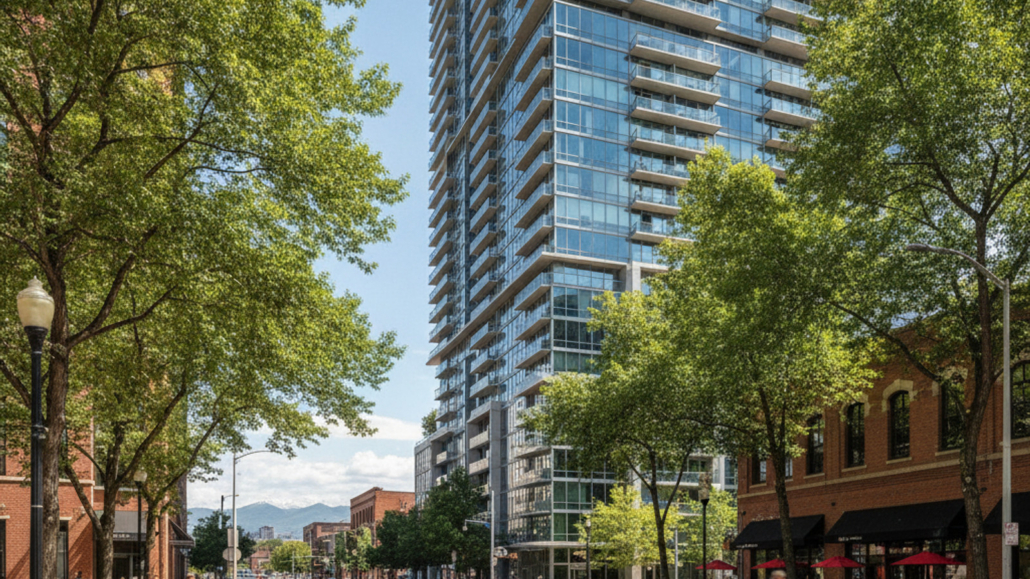
The overall median sale price for a home in Denver, CO, currently sits around $650,000 – up about 4% from last year. There are roughly 3,170 active listings across the city right now, and homes are spending a median of 21 days on the market. That’s not slow, especially for first-time home buyers in Denver, CO.
If you’re looking at attached properties specifically, you’re not alone. Buyers who want to stay close to the downtown core tend to gravitate toward condominiums, townhouses, and multi-family structures, which make up a significant share of what’s available here. Knowing how these property types differ in pricing, fees, and location will save you a lot of time once you start seriously shopping.
Finding Available Condos in the Mile High City
Depending on which source you’re tracking, there are somewhere between 1,300 and 1,800 active condo listings across the Denver metro area at any given time. That’s a real supply – enough that you’ll have options, but not so much that you can afford to be slow when something good comes up.
These properties run the full range: historic conversions, mid-century buildings, modern high-rises. For buyers who want to be close to the city center or transit without committing to a detached single-family house, condos are often the most practical path in.
Filtering Your Search for the Right Fit
Start by narrowing on price, square footage, and bedroom count. One-bedroom condos in Denver carry a median sale price around $295,000; two-bedroom layouts typically land closer to $345,000. Set up automated alerts for buildings that meet your requirements. With the broader market moving homes in about three weeks, you don’t want to be the person who finds out about a listing on day 18.
Current Prices and Market Trends
The $650,000 overall median is real, but condo prices in Denver run on their own track. Redfin reports a median condo listing price of around $320,000, while other local brokerages track average sale prices closer to $739,000 for higher-end units. Both numbers are accurate – they’re just measuring different parts of the condo market.
The citywide median sale price per square foot is $359. Condos average about $403 per square foot, which reflects what buyers are willing to pay for urban locations and building amenities. That premium is consistent and it’s not going away.
Timing Your Purchase
Homes in Denver are currently selling for about 99% of their list price, and roughly 25% are going above asking. There’s approximately 3.2 months of supply available, which leans slightly toward sellers but leaves enough room for buyers to negotiate if you’re strategic about it. Watching these numbers over even a few weeks will tell you more about when to move than any general forecast will.
Understanding Monthly Association Dues
Condo owners in Denver typically pay between $200 and $400 per month in HOA fees. That’s worth sitting with for a moment – a state-wide analysis put Colorado’s median HOA fee at just $99, but Denver’s urban buildings are a different animal. Maintaining shared infrastructure in a city building costs real money.
If you’re looking at luxury or high-rise properties, budget for fees that frequently reach $300 to over $600 per month. Your lender will factor these dues into your debt-to-income ratio during underwriting, so don’t treat them as an afterthought when you’re running your numbers.
What These Dues Typically Cover
In most downtown buildings, HOA fees cover exterior maintenance, trash removal, water, and snow clearing. Some buildings also include heating and cooling through a central utility setup. Luxury towers use the funds to maintain fitness centers, rooftop pools, and concierge services as well.
Before you close, review the association’s financials carefully. A healthy reserve fund matters. If the building’s reserves are thin and a major repair comes up, you’ll be the one paying the special assessment.
Popular Neighborhoods and High-Rise Buildings
LoDo (Lower Downtown), Union Station, RiNo (River North Art District), Capitol Hill, and Sloan’s Lake consistently draw buyers looking for attached housing. Each has its own character – different architecture, different proximity to restaurants and transit. Cherry Creek North stands out for high-end condo living specifically, drawing buyers who want premium finishes and a walkable shopping district.
Notable Residential Towers
Brooks Tower, built in 1967 as Denver’s first residential high-rise, offers 566 units across 42 floors. The 41-story Spire Condos has 496 units. One Lincoln Park has 177 units, and Barclay Towers is another established option downtown. On the newer end, the twin-tower Upton Residences at 18th and Welton adds 461 modern units to the downtown inventory.
Living Near the Parks and Lakes
Denver is landlocked, but there’s more green space and water access than most people expect. Washington Park – Wash Park, to anyone who’s spent time here – covers 165 acres and includes two scenic lakes, a running trail, and the city’s largest flower garden. Cheesman Park is a historic district built around a large park surrounded by Victorian-era architecture.
Buyers who prioritize outdoor space tend to focus their search on buildings that border these parks. The tradeoff is usually a premium on price, but for the right buyer, it’s worth it.
Waterfront and Recreation Access
Sloan’s Lake is the only true waterfront living area in Denver. The neighborhood wraps around a 2.6-mile loop that locals use for walking, paddleboarding, and kayaking. Condos and townhomes near the lake carry a premium – partly for the water access, partly for the unobstructed views of the Rocky Mountains to the west.
Townhomes, Duplexes, and Multi-Family Options
Not every attached property in Denver is a high-rise unit. Townhouses and duplexes are scattered throughout the city and often give you more square footage than a condo, along with private outdoor space or an attached garage – things that matter more than people admit until they don’t have them.
Multi-family homes are worth a separate look if you’re open to it. Buying a duplex and renting out the other unit is a real strategy here, and it’s one that can change how your financing looks. These formats sit somewhere between a downtown apartment and a suburban detached house, and for the right buyer, that middle ground is exactly what they need.
Exploring Attached Alternatives
Townhomes are popular in neighborhoods just outside the downtown core. They offer multi-level living and tend to carry lower HOA fees than full-service amenity towers. Patio homes show up in some Denver developments as well, offering single-story living with shared exterior maintenance. There’s more structural variety within city limits than most buyers realize when they first start looking.
Deciding on Your Next Property
Denver property tax rates typically range from 0.6% to 1.1% of a home’s assessed value, which runs lower than the national average. That’s useful context, but verify the current mill levy rates with the Denver Assessor’s office directly – these rates change annually and your lender’s estimate may not reflect the most current figure. When you add up purchase price, taxes, and any HOA dues, you get a realistic picture of what you’re actually committing to each month. Run those numbers before you fall in love with a floor plan.
Common Questions About Denver Real Estate
Which types of homes in Denver are the most affordable for first-time buyers?
Condominiums and townhomes generally offer the lowest entry point. A one-bedroom condo in Denver often lists around $295,000 – well below the overall market median of $650,000.
Which Denver neighborhoods are best for finding historic Denver Squares and Craftsman bungalows?
Capitol Hill and Cheesman Park are the places to look. Both are known for Victorian-era homes and classic Denver Squares. If older construction is what you’re after, start your search in these central districts.
What are the most common inspection issues to look out for when buying an older Denver home?
In historic districts like Cheesman Park, aging plumbing, outdated electrical panels, and settling foundations come up regularly. Hire a licensed inspector and have them evaluate those structural components specifically before you get to closing.
Are there strict zoning restrictions for adding a ‘pop-top’ to a single-family home in Denver?
Yes. The city enforces specific zoning and height restrictions for second-story additions. You’ll need to submit architectural plans to the Denver zoning department for approval before any structural expansion begins.
Is it better to buy a condo in downtown Denver or a townhome in the surrounding neighborhoods?
It depends on your budget and how much space you actually need. A downtown condo in a building like Spire or Brooks Tower puts you close to work and dining. A townhome slightly further out usually means more square footage and private parking. Neither is the wrong answer – it comes down to what you’re optimizing for.
Can you find new construction single-family homes within Denver city limits, or are they mostly in the suburbs?
The suburbs have the highest volume of new builds, but there’s new construction within city limits. Developers are putting up modern duplexes, townhomes, and infill single-family houses in neighborhoods like RiNo and Sloan’s Lake.