
Moving to Denver, CO: What Buyers and Renters Need to Know in 2026
The median single-family home price in the Denver metro area sits between $565,000 and $605,000 this year. Buyers eyeing the Mile High City face a competitive market where housing costs reflect the constant demand for mountain access and urban amenities. Renters also see premium pricing, with average apartment leases running around $1,890 per month.
Understanding the layout of the city helps narrow down the search. Finding the right property involves looking at RTD light rail lines, specific neighborhood boundaries, and daily commute patterns. Hiring a local moving company early in the process ensures you secure a date before the busy summer relocation season begins.
Housing Costs and the Real Estate Market
Denver County property owners pay an effective property tax rate of roughly 0.49% to 0.52%. This falls below the national average, which helps offset the higher upfront purchase prices for single-family homes and condominiums. Buyers transferring from coastal markets often find these tax rates favorable for their monthly budgets.
Condominium buyers should factor homeowners association dues into their monthly carrying costs. HOA fees cover exterior maintenance and shared amenities, but they alter the debt-to-income ratio during the mortgage underwriting process. Lenders require these dues to be fully documented before approving a loan.
Renters looking for single-family homes or apartments will find inventory spread across the metro area. Property management companies typically require proof of income equivalent to two or three times the monthly rent. Pet-friendly apartments often charge additional monthly rent and upfront deposits for a dog or cat.
Getting Around: Traffic, Transit, and Commutes
The Regional Transportation District operates a network of bus routes and light rail lines connecting the suburbs to Downtown Denver. The A Line provides a direct rail connection from Union Station to Denver International Airport. Commuters working in the central business district often use these rail lines to avoid parking fees.
Daily drivers rely on I-25 for north-south travel and I-70 for east-west routes. Traffic on I-25 slows down during morning and evening commute hours, especially near the Denver Tech Center. Buyers should test their expected driving route during rush hour before committing to a specific location.
Central neighborhoods offer easy pedestrian access and direct routes to the South Platte River Trail. Commuters who prefer bicycling use this paved trail system to bypass highway traffic entirely. The city continues to expand its dedicated bike lanes to connect more residential areas to commercial hubs.
Denver Neighborhoods and Property Styles
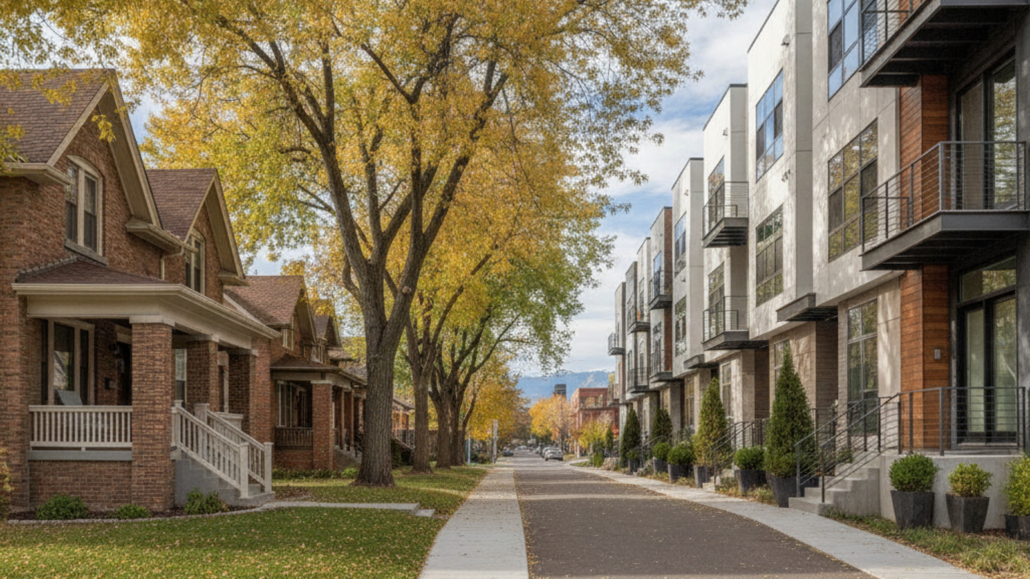
Housing inventory in the city ranges from historic brick bungalows to modern high-rise condominiums. Buyers and renters will find different architectural styles depending on the specific zip code. Capitol Hill features older apartment buildings and historic mansions converted into multi-unit properties.
This area sits close to Cheesman Park and features numerous coffee shops and grocery stores within walking distance. LoHi and Jefferson Park offer newer townhomes and modern condominium complexes. Residents in these areas have quick access to pedestrian bridges leading directly into Downtown Denver.
Parks and Commercial Centers
Washington Park surrounds a large green space and consists mostly of single-family homes with brick exteriors. The housing inventory here rarely stays on the market for long. City Park West offers a mix of historic houses and mid-rise apartment buildings close to the Denver Zoo.
Cherry Creek stands out for luxury condominiums and high-end retail centers, where housing costs rank among the highest in the metro area. The Santa Fe area provides smaller historic properties mixed with commercial galleries. Exploring these different neighborhoods helps buyers understand the local property types before scheduling tours.
School Districts and Educational Boundaries
Three major public school districts serve the immediate metro area. Address lines often straddle district borders, meaning homes on the same street might feed into different educational institutions.
Buyers should verify specific boundaries using county maps before submitting an offer. The main districts include:
- Denver Public Schools: Covers the city limits and central neighborhoods.
- Cherry Creek School District: Serves the southeastern suburbs.
- Jefferson County Public Schools: Operates in the western municipalities.
The region also hosts several major universities and higher education centers. The Auraria Campus sits adjacent to Downtown Denver and houses three separate colleges in one central location.
Climate, Geography, and Local Amenities
The city sits at an elevation of 5,280 feet, which impacts everything from baking recipes to physical exertion. The high-altitude environment requires new residents to drink more water to avoid dehydration. The air feels thinner here, and adjusting to the mountain air takes a few weeks.
The region averages 15 inches of annual precipitation and enjoys roughly 300 days of sunshine per year. Winter snow accumulation melts quickly due to the intense sun and low humidity. Wildfire smoke from the Rocky Mountains can occasionally affect air quality during the late summer months.
Major entertainment venues include Coors Field in the LoDo area and Red Rocks Amphitheatre in the nearby foothills. The local food scene features everything from upscale dining to authentic Mexican food along Federal Boulevard. New residents often explore a neighborhood brewery to meet people and experience the local culture.
Frequently Asked Questions
Is $70,000 a good salary in Denver?
A $70,000 income falls below the median household income for the metro area. Single renters can manage on this salary by choosing smaller apartments or living outside the central core.
What are the pros and cons of living in Denver?
The region offers immediate access to the Rocky Mountains and extensive public transit options. On the downside, housing costs remain high and highway traffic frequently stalls during peak hours.
How do I prepare for the altitude and weather in Denver?
Drink extra water during your first few weeks to adjust to the thin mountain air. You should also dress in layers, as temperatures often swing 30 degrees from morning to afternoon.
What is transportation like in Denver?
The RTD light rail system provides reliable service from the suburbs to major hubs like Union Station. Drivers should expect heavy congestion on I-25 and I-70 during the morning and evening rushes.



Leave a Reply
Want to join the discussion?Feel free to contribute!