
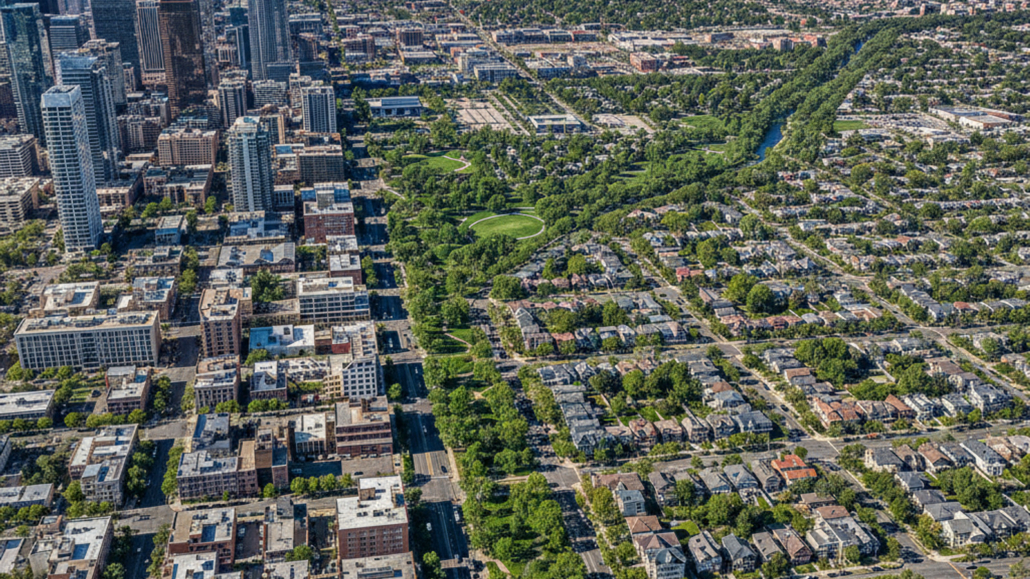
Exploring Things to Do in Denver, CO: A Buyer’s Guide to City Amenities in 2026
Sitting exactly 5,280 feet above sea level, Denver, CO offers a unique mix of urban infrastructure and immediate mountain access. The Mile High City features everything from downtown high-rise condominiums to single-family properties in the surrounding neighborhoods.
Access to local amenities drives much of the real estate demand across the metro area. Buyers frequently weigh their proximity to the Rocky Mountains against their commute times to the central business districts. Understanding what the city offers helps residents choose a location that fits their daily routine.
Parks and Outdoor Recreation Around the City
Denver, CO maintains over 300 days of sunshine a year, making local green spaces a primary focus for many residents. Washington Park covers 165 acres in the south-central part of the city, providing two lakes and extensive running paths. This specific park anchors one of the most expensive residential real estate markets in the metro area.
Just north of the urban core, City Park spans 330 acres and houses both the Denver Zoo Conservation Alliance and the Denver Museum of Nature and Science. Access to these large recreational areas directly influences property values in adjacent neighborhoods like Park Hill. The city maintains dozens of smaller community parks that provide immediate outdoor access to almost every subdivision.
- Red Rocks Amphitheatre: Located a short drive west in Morrison, this venue offers specific hiking trails through the Red Rocks Park and hosts major concert events.
- Rocky Mountain Arsenal National Wildlife Refuge: Situated northeast of downtown, this area provides an 11-mile wildlife viewing loop where residents can see bison and deer.
- Cherry Creek Bike Path: This paved route runs alongside the South Platte River, connecting suburban neighborhoods directly to downtown Denver, CO.
- Evergreen Lake: Found further into the foothills, this spot provides opportunities for paddleboarding in the summer and ice skating during the winter months.
Museums and Indoor Entertainment
The Denver Art Museum anchors the Golden Triangle neighborhood with its distinct angular architecture and extensive permanent exhibits. General admission for Colorado residents currently runs about $18 in 2026, with several free-entry days scheduled throughout the year. The surrounding blocks feature dozens of smaller galleries and independent art studios.
Capitol Hill and the surrounding central districts provide immediate access to several major historical and educational sites. Living in these central neighborhoods allows residents to walk or take short transit rides to prominent indoor attractions. Buyers focused on walkability often target properties within a half-mile radius of these cultural centers.
Art and History Exhibits
The Molly Brown House Museum sits in the middle of Capitol Hill, preserving the history of early 20th-century Denver, CO. Nearby, the History Colorado Center offers interactive exhibits detailing the state’s development from early mining towns to modern cities. Both facilities operate year-round and offer discounted annual memberships for local residents.
Just west of downtown, Meow Wolf provides a massive immersive art installation inside a multi-story building. This facility anchors a growing mixed-use development area where industrial spaces are converting to residential lofts and retail storefronts. The immediate area around the venue has seen rapid commercial expansion over the last few years.
Live Music and Performing Arts
The Denver Performing Arts Complex covers four city blocks downtown and features ten distinct performance spaces. This venue hosts the Colorado Ballet, the Colorado Symphony, and touring Broadway productions throughout the year. The complex includes an underground parking garage that connects directly to the theater lobbies.
Residents living in LoDo or the central business district can walk to these theaters before or after dinner. Smaller music venues dot the East Colfax corridor, offering nightly performances from local and touring bands. The Ogden Theatre and the Bluebird Theater anchor the live music scene in the eastern neighborhoods.
Local Dining and Retail Districts
The recent 2026 completion of the 16th Street Mall renovation project updated the granite pedestrian paths and expanded outdoor patio seating. This mile-long corridor serves as the primary retail spine through the center of downtown Denver, CO. Free electric shuttle buses run the length of the mall, moving passengers between Union Station and the Civic Center.
Historic Larimer Square sits just a few blocks away, marked by its signature canopy of lights and preserved brick storefronts. The surrounding blocks feature a dense concentration of locally owned restaurants, craft breweries, and independent boutiques. Many of the upper floors in this district have been converted into modern office spaces or luxury apartments.
Lower Downtown and River North
Lower Downtown, commonly known as LoDo, features dozens of restored warehouse buildings that now hold sports bars and upscale dining. This area surrounds Coors Field, home to the Colorado Rockies, creating high foot traffic during the summer baseball season. Real estate in this immediate area consists almost entirely of mid-rise and high-rise condominiums.
Just north of LoDo, the River North Art District contains the highest concentration of craft breweries in the city. The real estate in this district primarily consists of modern apartment complexes and industrial loft conversions. Street art and large-scale murals cover many of the commercial buildings throughout the neighborhood.
Cherry Creek and Surrounding Areas
The Cherry Creek neighborhood sits southeast of downtown and operates as the city’s premier upscale retail district. The Cherry Creek Shopping Center and the adjacent Cherry Creek North district contain hundreds of stores, galleries, and high-end restaurants. The area features wide sidewalks and extensive landscaping along the commercial corridors.
Housing in this district primarily consists of luxury townhomes, mid-rise condominiums, and large custom-built houses. Buyers looking for immediate walkability to premium dining often focus their search within these specific blocks. The property values here consistently rank among the highest in the state.
Transit Options and Commute Times
The Regional Transportation District operates a network of light rail, commuter rail, and bus lines across the metropolitan area. The 2026 downtown rail reconstruction project improved track reliability and increased frequency on several major routes entering the city center. This system allows residents in the outer suburbs to reach downtown without driving in interstate traffic.
Most local commuters use Interstate 25 for north-south travel and Interstate 70 to reach the Rocky Mountains or the eastern plains. Average commute times from the outer subdivisions to downtown Denver, CO range from 30 to 45 minutes during standard morning traffic. Buyers should test their expected commute during rush hour before submitting an offer on a home.
Rail Connections and Neighborhood Access
The reinstated C Line and expanded light rail schedules provide direct connections from southern suburbs like Littleton straight into Denver Union Station. Union Station serves as the central transit hub, linking the local train network to the A Line commuter train. The station itself contains several restaurants and a boutique hotel.
The A Line runs directly from downtown to Denver International Airport, taking exactly 37 minutes from end to end. Buyers who travel frequently for work often target properties within walking distance of an A Line station. The train departs every 15 minutes during peak hours, providing a reliable alternative to driving.
Highway Routes and Mountain Travel
Interstate 70 operates as the primary artery for residents heading west into the mountains for skiing or hiking. Traffic on this corridor peaks on Friday afternoons and weekend mornings, particularly during the winter ski season. Buyers planning frequent mountain trips should factor these traffic patterns into their location decisions.
State Highway 470 forms a partial beltway around the southern and western edges of the metro area. This toll road provides faster connections between suburban communities like Highlands Ranch and destinations near Roxborough State Park. The express lanes offer a predictable travel time for a variable fee.
Frequently Asked Questions
What are the most popular attractions in Denver, CO?
Red Rocks Amphitheatre and the Denver Art Museum draw some of the largest crowds in the metro area. Visitors and locals also frequently visit Union Station, which operates as both a transit center and a dining destination. The Denver Botanic Gardens offers 24 acres of specialized plant collections right in the middle of the city.
What parks and educational facilities are available in Denver, CO?
The Denver Museum of Nature and Science provides extensive interactive exhibits and an IMAX theater next to City Park. Washington Park and Sloan’s Lake Park offer miles of paved trails, large playgrounds, and open green spaces. The city also operates dozens of recreation centers with indoor pools and sports leagues.
How accessible is Denver, CO via public transportation?
The RTD light rail and bus system makes the central business district easily accessible without a personal vehicle. The A Line train provides a direct 37-minute ride from the airport to Union Station. Neighborhoods immediately surrounding downtown feature extensive protected bike lanes and frequent bus service.



Leave a Reply
Want to join the discussion?Feel free to contribute!